

Pickleball Injuries: Common Causes, Treatment & Prevention
Dr. Charles Chu Santos | September 24, 2026
Related Services
Key Takeaways
- Pickleball’s quick stops, pivots, and overhead shots put the shoulder, knee, and hip at risk.
- Common injuries include rotator cuff strain, knee ligament sprains, and hip or groin strain.
- Most pickleball injuries can be treated without surgery when caught early.
- Warming up and proper technique can significantly reduce injury risk.
- Persistent pain after playing shouldn’t be ignored, especially for older or returning players.
Introduction
Pickleball has quickly become one of the most popular recreational sports in Cebu, drawing players of all ages and fitness levels. It involves sudden stops, quick direction changes, and repetitive overhead motions that can put real strain on the shoulder, knee, and hip
An orthopedic doctor specializes in diagnosing and treating conditions affecting the bones, joints, ligaments, tendons, and muscles. Many pickleball injuries fall within Sports Medicine and Arthroscopic Surgery, which focuses on minimally invasive treatment for active patients.
Why Pickleball Cause Injuries
Quick lateral movement, sudden stops, pivoting, and repetitive overhead/underhand shots stress joints, particularly in players who are returning to sport after inactivity, skip warming up, play frequently without rest, or have pre-existing joint wear.
Common Pickleball Injuries
Shoulder Injuries
Repetitive overhead serves and smashes can strain the rotator cuff, leading to pain, weakness, or a rotator cuff tear over time. This is one of the more common overuse injuries seen in racquet sports.
Knee Injuries
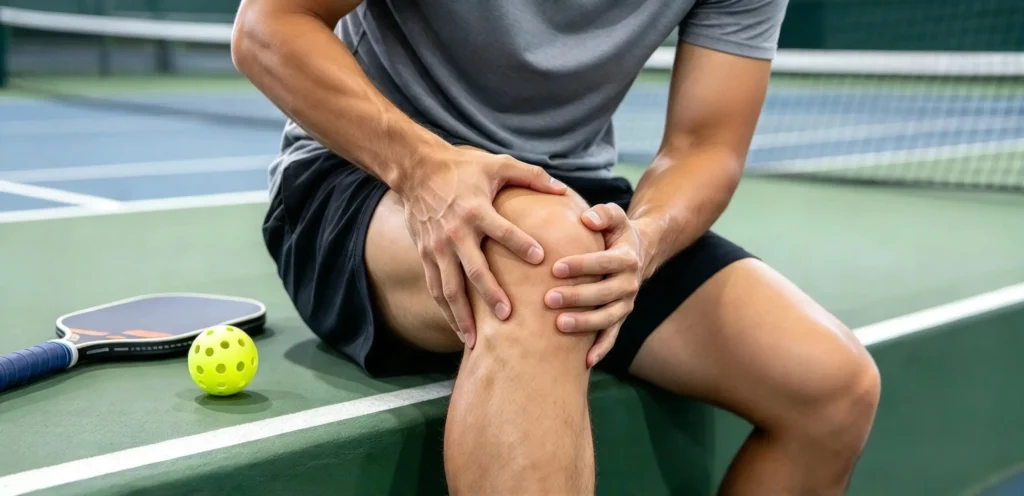
Quick pivots and sudden direction changes can strain or tear ligaments, including the ACL and meniscus, particularly during lateral lunges toward the ball.
Hip and Groin Strain
Lateral movement and lunging can strain the hip flexors and groin muscles, especially in players who haven’t built up lateral-movement conditioning.
Other Common Injuries
Ankle sprains and elbow strain (sometimes called “pickleball elbow,” similar to tennis elbow) are also common, though these are typically managed as part of general sports medicine care.
Symptoms That Shouldn’t Be Ignored
- Pain that persists for more than a few days after playing
- Swelling, bruising, or visible deformity
- A popping or tearing sensation at the time of injury
- Instability or a feeling that the joint may give way
- Weakness that doesn’t improve with rest
How These Injuries Are Diagnosed
An accurate diagnosis confirms which structure is involved and how severe the injury is, which shapes whether treatment is conservative or surgical.
Clinical Evaluation
Your orthopedic specialist will examine the affected joint directly — testing strength, stability, and range of motion, and checking for tenderness at specific points that often point to a particular structure (for example, the front of the shoulder for a rotator cuff issue, or the inside of the knee for a meniscus tear).
Medical History
The doctor will ask how often you play, whether your play frequency or intensity recently changed, exactly what you were doing when the pain or injury started, and about any prior injuries to that joint. For pickleball specifically, it’s worth mentioning whether you’re new to the sport or returning after a break, since that changes the likely cause.
Imaging Tests
X-rays are used first to rule out a fracture, especially after a fall or a forceful twisting injury. When a ligament, tendon, or cartilage tear is suspected — such as a possible ACL or meniscus injury, or a rotator cuff tear — an MRI provides a detailed look at soft tissue that an X-ray can’t show, and helps determine whether the injury needs surgical repair or will respond to conservative treatment.
Treatment Options
Non-Surgical Treatments
Rest, ice, activity modification, anti-inflammatory medication, and physical therapy resolve many pickleball injuries.
Injection Therapies
May help reduce pain and inflammation in select cases.
Arthroscopic Surgery
For more significant ligament tears or rotator cuff injuries, Sports Medicine and Arthroscopic Surgery offers minimally invasive repair with a generally faster recovery than open surgery.
Preventing Pickleball Injuries
- Warm up and stretch before playing, especially the shoulders, hips, and calves
- Build up playing frequency gradually if you’re new or returning to the sport
- Use proper footwear designed for lateral movement
- Incorporate strength and conditioning, particularly for the legs and core
- Listen to your body — play through fatigue, not through pain
When Should You See an Orthopedic Doctor?
It’s worth getting evaluated if you experience:
- Pain That Doesn’t Improve With Rest — Especially after a few days.
- A Popping Sensation Followed by Swelling or Instability — May indicate a ligament tear.
- Shoulder Weakness or Persistent Pain When Lifting the Arm — Could suggest a rotator cuff injury.
- Recurring Injuries in the Same Joint — May point to an underlying issue worth addressing directly.
Frequently Asked Questions
It depends on the player. Pickleball's smaller court means less running, but the quick stops and pivots can still place significant stress on the joints, especially for less-conditioned players.
Mild soreness that resolves with rest is common, but persistent or worsening pain is a sign to get evaluated before continuing to play.
No. Most respond well to rest, physical therapy, and activity modification. Surgery is generally reserved for more significant tears.
Yes. Deconditioned muscles and joints are more vulnerable to strain, which is why gradually building up play and conditioning matters.
This varies by injury and treatment, but your orthopedic doctor can help set a realistic timeline based on your specific case.
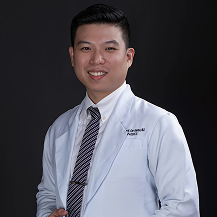
Dr. Chu Santos' Advice
“Pickleball looks easy, but the quick stops and overhead shots can be tougher on the body than people expect — especially if you haven’t played a racquet sport in a while. A little conditioning and a proper warm-up go a long way, and if something doesn’t feel right after playing, it’s worth getting checked rather than playing through it.“
– Dr. Charles Andrew Chu Santos MD, FPOA
Need Help with a Sports Injury?
Sports Medicine, Shoulder, Hip and Knee Surgery, and Joint Replacement — Dr. Chu Santos covers it.
Related Services
In This Article
Need Help with a Sports Injury?
Dr. Charles Andrew Chu Santos MD, FPOA
Need an appointment or have questions? Get in touch with Dr. Charles Andrew Chu Santos and visit the clinic during operating hours. Your orthopedic health is our priority.
Clinic Hours
Tuesday & Friday
9am – 4pm
Thursday & Saturday
9am – 1pm